
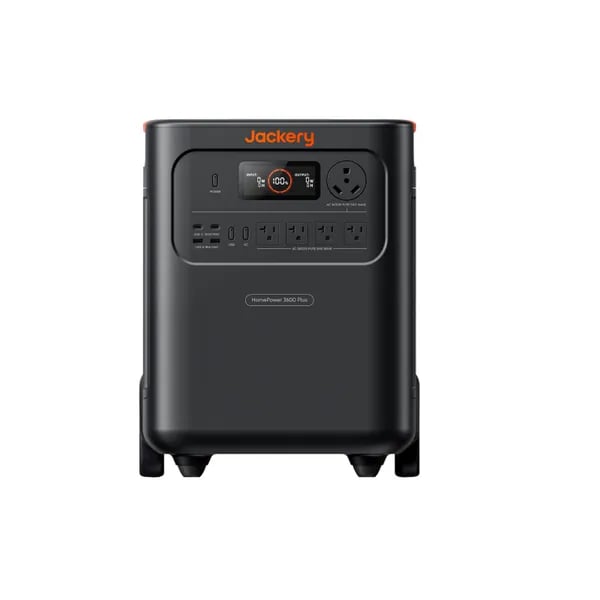

You’ve been there: the lights flicker, your neighborhood goes dark, and you suddenly realize how much of daily life depends on a steady plug. I once kept a cooler of milk on my porch for two days after a storm while my neighbor fussed over a freezer full of food. That’s what Essential Home Backup (EHB) is for—giving you smart, limited, and life-saving power without the sticker shock of a whole-home system. In this post you’ll learn what EHB does, how it stacks up against whole-home backup, which units actually fit different needs, and a few quirky scenarios I’ve imagined to help you decide.
What is Essential Home Backup (EHB)?
Essential home backup (EHB) is a smart way to keep your life running during a blackout—without trying to power your entire house. Instead of backing up everything, you power only the circuits and appliances you truly need, like your fridge, a few lights, your microwave, and your Wi‑Fi router.
“Essential Home Backup is a smart, cost effective way to power only the circuits and appliances you truly rely on during an outage.”
Essential home backup vs. whole-home backup power systems
Whole-home backup power systems are designed to run nearly everything—often including big loads like HVAC and water heaters. That sounds great, but it usually means a larger system, more planning, and more installation work.
EHB exists because most people don’t actually need to run everything during an outage. You mainly want the essentials, and you want them fast. With EHB, you can often avoid a massive generator or a complex setup and still stay comfortable and connected.
| Option | Typical focus | Average cost (incl. install) |
|---|---|---|
| Essential home backup | Fridge, lights, router, microwave | $8,000 |
| Whole-home backup | Most or all home loads | $18,000 |
What EHB looks like in real life (portable and flexible)
Most EHB setups are built around portable power stations. They’re usually plug-and-play, so you can run key devices by plugging them directly into the battery. Many people also pair them with:
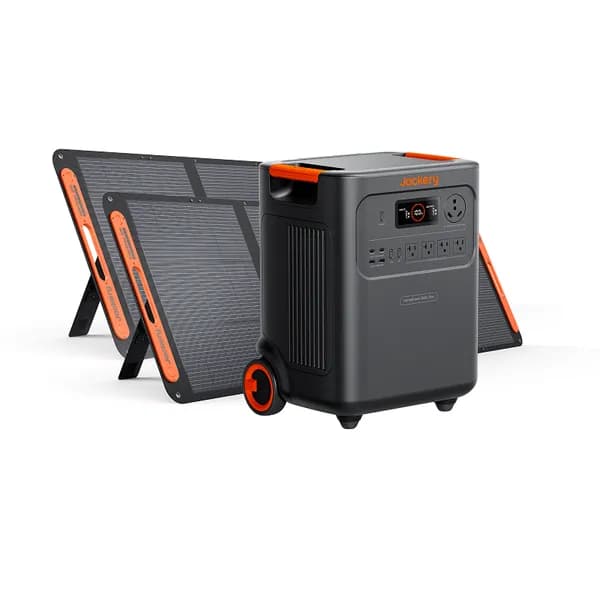
- Solar panels to recharge during longer outages
- Manual or smart transfer switches to feed selected home circuits more cleanly
As a simple example, a well-sized EHB battery can keep a typical refrigerator running for 1–2 days, depending on the fridge and how often you open it.
Why you’ll like EHB
EHB is “smart power” because it matches what you actually do during an outage. You get:
- Lower complexity than full-house installs
- Faster setup (often minutes, not days)
- Portability—move it room to room, take it to a cabin, or store it when not needed
Entry-level options like the Explorer 1000 v2 and larger units like the HomePower 3000 are often mentioned as starting points, depending on how many essentials you want to run.
EHB vs Whole-Home Backup: Cost, Scope, and Installation
When you compare Home battery backup systems, the real question is: do you want to keep life running during an outage, or do you want to keep everything running? Essential Home Backup (EHB) and a Whole Home Backup Battery both solve outages, but they do it with different scope, price, and setup time.
Scope: What Each Power Outage Solution Actually Runs
EHB is designed to power your essential circuits—think your kitchen, living room, and office. You can also directly power key appliances like your fridge, Wi‑Fi router, and mobile devices. In many homes, that covers the “must-haves” that make an outage manageable.
Whole-home backup is broader. It powers everything in the house, including big loads like HVAC and water heaters. If your goal is “the house feels normal,” whole-home is the closest match.
Cost: EHB vs Whole-Home Backup Battery Pricing
Price is where the gap is hard to ignore. Based on the transcript, an EHB setup averages around $8,000 (including installation), while a whole-home system averages around $18,000 (including installation).
| Feature | Essential Home Backup (EHB) | Whole-Home Backup |
|---|---|---|
| Average cost (installed) | $8,000 | $18,000 |
| Coverage | Essential circuits + key devices | Everything (incl. HVAC, water heater) |
| Portability | Portable | Permanent |
| Example capability | Fridge: 1–2 days; 5 kWh / 7,200 W unit expandable to weeks | Depends on system size; typically sized for full-home loads |
Battery Installation Requirements: Plug-and-Play vs Permanent Work
EHB is typically portable and plug-and-play when it arrives, with optional installation if you want a cleaner, more integrated setup. That means you can start protecting essentials fast—or build protection in stages.
Whole-home backup, by contrast, always requires permanent installation. It’s a longer process, usually involving electrical work and more planning, which adds complexity even when it delivers full coverage.
Which One Fits Your Home?
- Choose EHB if you rent, want portability, need faster setup, or want strong coverage for essentials on a lower budget.
- Choose whole-home if you want complete coverage (including HVAC) and you’re comfortable with higher cost and longer installation.
Jackery: "So in short, essential home backup can provide a similar home backup experience as whole home backup at a fraction of the cost and time."
Real-Life Uses: What EHB Actually Keeps Running
Essential Home Backup (EHB) is one of the most practical Power outage solutions because it gives you a “whole-home” feel without paying for a full whole-home install. Instead of trying to run everything, you focus on Critical home systems—the stuff that keeps life normal when the grid goes down.
“When a storm knocks out your electricity, essential home backup keeps your food fresh, your lights on and your family connected.”
Food safety first: keep the fridge cold (1–2 days)
Your fridge is usually the first priority, because spoiled food gets expensive fast. In the example setup, the refrigerator stayed running for about 1–2 days, which is often enough to ride out the most common outage window. If you’re dealing with a longer event, you can stretch runtime by keeping the door closed and avoiding extra loads.
Connectivity: stay informed and keep working
When power is out, your phone is only useful if you can charge it—and if your internet gear stays on. EHB can keep your Wi‑Fi router and basic office devices powered, so you can check alerts, message family, or even work remotely. Portable power stations also help because you can move them where you need them most as the outage changes.
Comfort & health: priority power for medical and climate needs
If you rely on a CPAP machine or an oxygen concentrator, EHB is about peace of mind, not convenience. And in extreme heat or cold, running a fan or small heater can make a real difference. This is where a 24-hour backup battery plan matters: you’re not trying to power the whole house—just the essentials that protect health and comfort.
Short tasks: quick meals and safe lighting
EHB is also great for “burst” loads—things you use briefly. A microwave for a fast meal, plus lights for safety, can make nights feel normal without draining your battery all day.
- Start with: fridge + medical devices
- Then add: Wi‑Fi router + phone/laptop charging
- Last: fans/heaters, lights, and short microwave use
This approach avoids wasting energy on non-essentials and helps your backup last longer during multi-day outages.
Which Unit Should You Buy? Models, Capacities, and Expansion
An essential home backup setup is about keeping the important stuff running—fridge, lights, Wi‑Fi, medical gear—without wasting energy on non‑essentials. The right pick comes down to three things: how long you need runtime, how much power (watts) your devices draw, and whether you want to expand later.
Entry Level: Portable Home Battery Storage for Short Outages
If you want a simple, grab-and-go option, look at the Explorer 1000 v2 or HomePower 3000. They’re described as incredibly portable and among the lightest in their size class, making them great for apartments, renters, or anyone who wants emergency power without a permanent install.
- Best for: short outages, charging phones/laptops, running a router, small fans, and limited fridge time
- Watch for: surge wattage if you’re starting motors (fridges, sump pumps, well pumps)
Mid-Range + Expandable: Stackable Solar Energy Storage That Grows With You
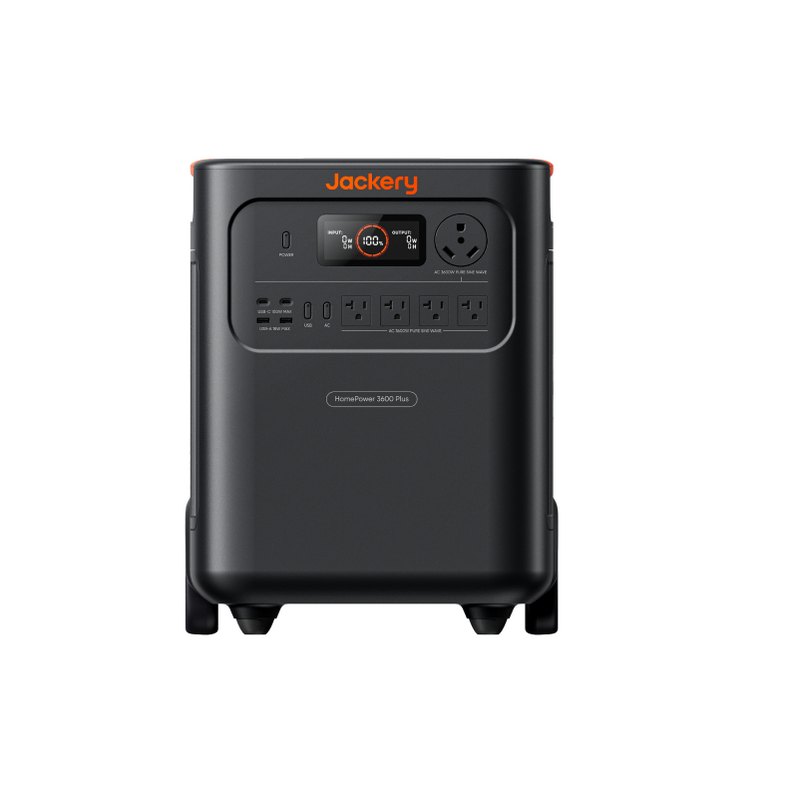
Jackery: "If you're looking for something that can last a little bit longer, consider the Home Power 3600 Plus, our flagship backup solution."
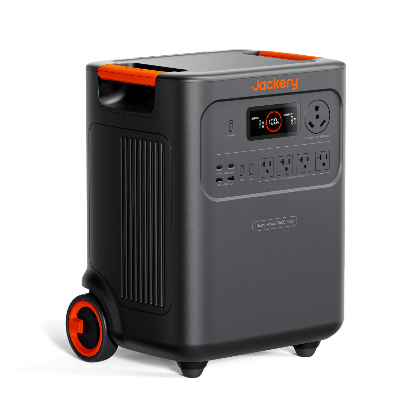
The Home Power 3600 Plus is the standard “multiple days” essential backup choice. The big win is expansion: you can add extra battery packs instead of replacing the whole unit. That’s the core idea behind Stackable Solar Energy Storage—start smaller, then scale when your needs (or outage risk) grows.
High-Capacity Energy Storage: Near Whole-Home Performance
If you want something that can rival whole-home backup, the Explorer 5000 Plus steps up with 5 kWh capacity and 7,200 W output, plus expansion that can stretch to weeks of power in some setups. This is where High-Capacity Energy Storage matters: higher watts lets you run more loads at once, and higher kWh keeps them running longer.
Industry Benchmarks: How Big Is “Big” in 2026?
| Option | Scale | Notes |
|---|---|---|
| Orison Tower | 2.2 kWh | Plug-and-play, small footprint |
| BLUETTI AC500 modular | Expandable | Modular approach similar to “add packs” scaling |
| Tesla Powerwall 3 | 13.5 kWh | ~$9,300 before installation; wall-mounted |
| EG4 PowerPro WallMount | 14.3 kWh usable | Permanent, space-saving wall install |
Use this comparison to decide if you want portable home battery storage now, or a more permanent, expandable system later.
Installation, Solar Integration, and Safety Tips
Battery installation requirements: plug-and-play vs. installed
Most Essential Home Backup (EHB) setups are designed to be simple. As Jackery puts it:
“Our essential home backup solutions are plug and play ready upon arrival with the option to install at your convenience.”
If you only need to run key loads (fridge, Wi‑Fi, lights), you can often plug devices directly into the battery. But if you want your home to switch over automatically, add a manual or smart transfer switch. A smart transfer switch can detect an outage and move your chosen circuits to battery power without you doing anything.
- Plug-and-play: fastest setup, great for renters or temporary use.
- Installed: cleaner, safer for dedicated circuits, and better for “whole-home” style backup.
Wall-mounted battery design and modular options
Your space matters. Modular and wall-mounted systems are both common, depending on how permanent you want the setup to be. A wall-mounted battery design can free up floor space in a garage or utility area, but it may require stronger mounting, proper clearances, and sometimes professional installation.
Capacity can scale, too. Many systems start around 5 kWh (often paired with high output like 7,200 watts) and can expand for longer runtimes—some wall-mounted lines range from about 5 kWh to 14.34 kWh per unit and can be paralleled up to 16 units (model-dependent). That’s how you go from “hours” to “days or even weeks” of power.
Solar panel integration for longer outages
Solar panel integration is the easiest way to stretch runtime during multi-day events. Instead of only draining your battery, you can recharge during daylight and keep essentials running longer. Look for:
- Solar-compatible inverter support
- An MPPT controller (built-in or external) for efficient charging
- Modular charging inputs (some systems can charge from grid, solar, vehicle, or generator)
Lithium-ion battery technology safety basics
Most EHB units use lithium-ion battery technology because it packs a lot of energy into a small space and lasts for many cycles. To stay comfortable, affordable, and safe, follow the manufacturer rules and keep these basics in mind:
- Place the unit where it can ventilate (not sealed in a tiny closet).
- Use the correct breakers and approved cables—no “DIY” extension cord webs.
- Keep it dry, away from heat sources, and don’t block air paths.
- Check local codes, permitting, and preferred locations (garage, utility closet, or exterior wall).
When to call a pro
Consider professional installation if you’re integrating with a home panel, adding a transfer switch, or mounting a permanent wall system. It helps with code compliance, load planning, and making sure you power what matters most—without overspending.
Wild Cards: Scenarios, Analogies, and a Tiny Checklist
Capacity numbers can feel abstract until you picture a real night with no grid. This is where Home energy storage stops being “tech” and starts being comfort. Essential Home Backup (EHB) is meant to be flexible and affordable, and you can scale it over time with extra packs or solar—so you’re not forced into a giant wall system on day one.
A 72-hour blackout: how you stretch a Home Power 3600 Plus + one extra pack
Imagine a three-day outage after a storm. Your goal isn’t to live normally—it’s to live well enough. With a Home Power 3600 Plus and one extra pack, you plan for roughly 8–12 kWh over 72 hours (fridge size and habits change everything). You start by running the fridge in cycles, not nonstop: let it cool hard, then rest it. Your router stays on because information is safety. Lights come on only at night, and you keep them simple. The microwave is a “short burst” tool—heat water, warm food, done. If you need more runway, you adapt: lower fridge openings, charge phones during daylight, and add capacity later. For perspective, an Orison Tower is about 2.2 kWh, while a wall-mounted option like an EG4 PowerPro can be around 14.3 kWh usable—EHB sits in the practical middle where you can build up.
Analogy: EHB is a first-aid kit for power
Think of EHB like a first-aid kit: compact, targeted, and lifesaving for common emergencies. It won’t replace a hospital, but it handles the stuff that happens most—keeping food safe, phones charged, and a few rooms lit. That’s what good Power outage protection systems do: cover the basics fast, without drama.
Tiny checklist (print it, stick it to the unit)
When your brain is tired, a checklist beats guessing. Here’s a quick one for your 24-hour backup battery plan:
- Prioritize: fridge, medical devices, router, lights
- Write down surge needs (fridge start-up is the big one)
- Pack extension cords and one charged portable power bank
Strange but useful tip: store the unit indoors in winter to protect battery temperature. If ventilation is ever an issue when running heavier loads, move it outside briefly, run what you need, then bring it back in.
Jackery: "If you're looking for a reliable backup solution without breaking the bank, Essential Home Backup is your best bet."
If you want a backup that’s flexible, affordable, and built to power what matters most, EHB is a solid place to land—and you can keep tuning it as your life (and outage risk) changes.
